
In the world of sports betting, bettors are constantly searching for ways to increase their chances of winning, and one of the most sophisticated methods used is the application of handicap strategies. Handicap betting is a technique that adjusts the perceived advantage of a team or player to create a more balanced market, allowing bettors to find value in situations that might otherwise seem one-sided. This system is particularly popular in football, basketball, and tennis, where disparities in team strength or player skill can be significant.
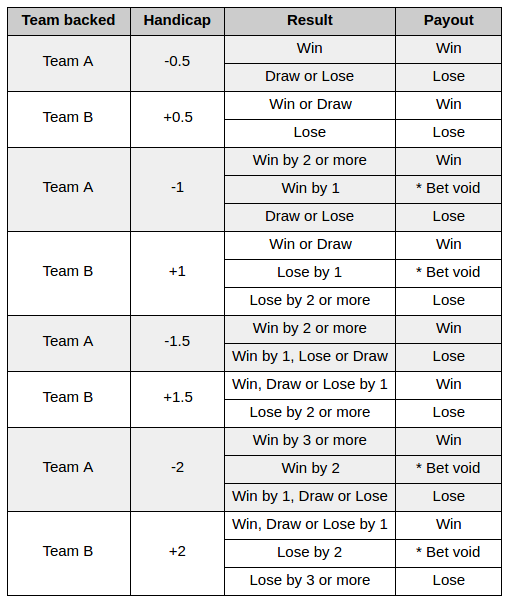
At its core, a handicap is a method of leveling the playing field. In a typical match between a strong favorite and a weaker opponent, the favorite may have such a high likelihood of winning that traditional betting odds offer minimal value. By assigning a handicap, bookmakers effectively give the weaker side a head start or impose a deficit on the stronger side. This creates more balanced odds and opens opportunities for bettors to identify profitable bets. For example, in football, a favorite team might be given a -1.5 goal handicap, meaning they must win by at least two goals for a bet on them to pay out, while the underdog might receive a +1.5 goal advantage.
Experienced bettors approach handicaps by analyzing both quantitative and qualitative factors. Quantitative analysis involves examining statistics such as team performance in recent games, head-to-head records, scoring trends, and defensive consistency. Bettors often use data models to calculate the probability of various outcomes and compare these probabilities to the odds offered by bookmakers. By identifying discrepancies, they can exploit situations where the handicap odds underestimate the true likelihood of a team covering the spread.
Qualitative analysis complements this approach by considering less tangible elements, such as team morale, injuries, playing conditions, and strategic matchups. For instance, a basketball team might struggle against a particular style of defense, or a football team could be less effective on an artificial pitch. Bettors who integrate these insights with statistical models gain a more nuanced understanding of the probable outcomes and can make more informed handicap selections.
Bankroll management is a critical aspect of applying handicap strategies effectively. Even when bettors have a strong prediction model, the inherent uncertainty in sports means losses are inevitable. Successful bettors often adopt staking systems, such as flat betting, percentage betting, or variable staking based on confidence levels. By allocating a disciplined portion of their bankroll to each bet, they minimize the risk of catastrophic losses while maintaining the ability to capitalize on opportunities when their analysis indicates a high-value situation.
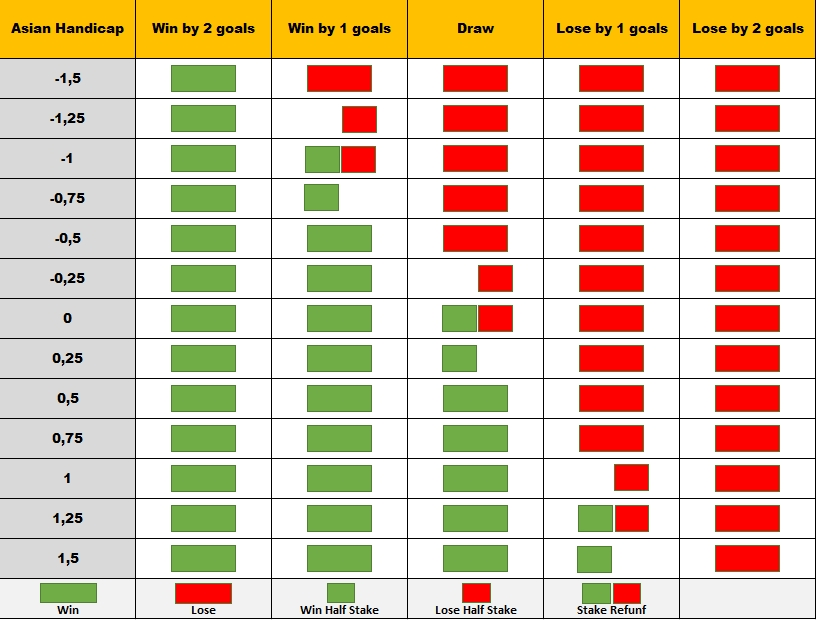
Another key component is understanding different types of handicap bets. Asian handicaps are especially popular because they eliminate the possibility of a draw, splitting stakes or offering more precise odds. European handicaps, by contrast, are simpler but can be less flexible in certain matchups. Bettors who specialize in handicap strategies often focus on one type over the other, mastering its nuances and identifying patterns that others might overlook.
Psychological discipline plays an equally important role. Handicap betting requires patience, as it can be tempting to chase short-term results or overestimate confidence in predictions. Successful bettors maintain an objective perspective, relying on data and analysis rather than emotion. They also resist the temptation to bet on every match, instead waiting for opportunities where the odds provide clear value relative to the calculated probabilities.
Timing is another strategic factor. In many cases, line movements occur as bookmakers adjust handicaps based on betting activity, injuries, or late-breaking news. Savvy bettors monitor these shifts and may place wagers early to secure favorable odds or wait until line movements create a more advantageous scenario. Recognizing when a line is mispriced allows them to exploit inefficiencies in the market, which is a cornerstone of professional betting.
Technology has transformed how bettors apply handicap strategies. Online platforms and data analytics tools allow for real-time tracking of odds, automated probability calculations, and historical performance comparisons. Bettors can create models that incorporate a wide range of variables and simulate outcomes under different handicap scenarios. This integration of technology and strategy has made handicap betting more precise and accessible, but it also raises the level of competition, requiring bettors to continuously refine their methods.
Collaboration and information sharing are also common in the handicap betting community. Forums, newsletters, and social media groups provide insights into emerging trends, injury reports, and tactical analyses. While bettors ultimately make independent decisions, staying informed about collective wisdom and expert commentary can enhance their understanding of how handicaps are applied and where value might exist.
In practice, applying handicap strategies often involves a combination of conservative and opportunistic betting. Some bettors consistently target favorites with moderate handicaps where statistics indicate strong coverage potential. Others focus on underdogs with advantageous spreads that they believe are underestimated by the market. By diversifying approaches and adjusting bets according to risk tolerance, they can manage volatility while maximizing expected returns.
Ultimately, the effectiveness of handicap strategies lies in a disciplined, analytical approach that balances statistical insight with practical knowledge of the sport. Bettors who consistently apply these strategies are able to identify edges that casual bettors might miss, transforming a seemingly lopsided contest into a calculated opportunity. Through careful research, disciplined bankroll management, and ongoing refinement of methods, handicap betting can be a powerful tool for those seeking to improve their long-term success in sports wagering.




Leave a Reply